
Great Chalfield
Great Chalfield is a 140-hectare mixed farm in the heart of Wiltshire. Wiltshire Wildlife Trust (WWT) has a 49-year lease from the National Trust (NT) and, together with The Wildlife Trusts, we are transforming it into a Learning Hub for nature-friendly farming and green finance. The Great Western Community Forest supported the acquisition of the land and the planting of c11,000 trees in 2024-2025.

© James Beck, National Trust Images
The farm will be a centre of innovation, ideas, and research: a place where regenerative and nature-friendly practices are tested and demonstrated, and where evidence and experience are shared openly. It will act as a living case study, showing how farms can engage with environmental markets such as Biodiversity Net Gain (BNG), carbon, and wider nature-based solutions. From agroforestry and wood pasture to livestock systems that build healthy soils, diverse habitats, and resilient rivers, Great Chalfield will be a space to explore, trial, and learn. The lessons developed here will ripple far beyond Wiltshire, shaping the future of farming across the UK.
This collaboration holds special significance for the Wiltshire Wildlife Trust, as it brings them back to the roots of their organisation. Great Chalfield Manor is the family home of the Trust Patron, whose father played a pivotal role as one of the Trust's founding members.

Vision for Great Chalfield
The Great Chalfield Learning Hub will be a nationally recognised centre of excellence for nature-friendly farming, environmental land management and green finance.
It will be a place where:
- Farmers, landowners, and advisors come to learn, share, and be inspired.
- The next generation of environmental farm advisors and conservationists are trained, supported, and connected.
- Communities can see, and take part in, the journey towards farming that is good for people, good for business, and good for nature.
- Innovative ideas are tested in the field, and the results are shared openly so others can build on them.
Our ambition is to create a space that not only changes the conversation about farming but expands what’s possible across the country. By doing so, Great Chalfield will demonstrate in practice regenerative farming at scale, farming that restores rivers and soils, profitable businesses working with nature, wildlife-positive land management, and climate resilience.

Latest News
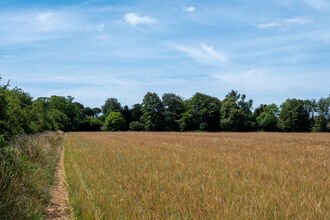
Wiltshire Wildlife Trust's First Biodiversity Gain site at Great Chalfield Farm
Big changes are underway across the fields of Great Chalfield Farm. If you’ve walked the footpaths or driven by recently, you may have…
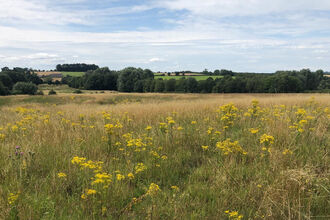
Great Chalfield Opens Its Gates for Open Farm Sunday
Wiltshire Wildlife Trust and the National Trust are inviting visitors to discover how the land is being cared for and managed at Great…
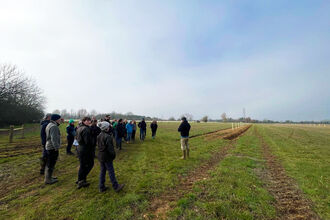
Defying the Drought: Volunteers Deliver 3000 Trees at Great Chalfield
This autumn, the beautiful landscape surrounding Great Chalfield Manor House - an iconic historical site and a vital natural habitat -…


Latest Blogs

Frequently Asked Questions
What is the connection?
Major R.F Fuller gave Great Chalfield Manor, Garden and part of the estate to the NT in 1943. It has been home to the family for generations, including one of WWT's founding Chairman, Charles Floyd FLS (Fellow Linnean Society), father of current family tenant Robert Floyd. Robert has also been the Chair of WWT in the past and is our current Patron. This partnership is not only positive for the future of Great Chalfield it also celebrates the connection between the two charities through the Floyd family. In partnership we will demonstrate farming with nature in the future and explain that story in relation to Great Chalfield, the wider landscapes and county of Wiltshire.
How can I get involved?
The Wiltshire Wildlife Trust actively welcomes volunteers to participate in various projects. As the project evolves, we have more volunteering opportunities becoming available. You can find out more and register here.
If you don’t want to volunteer but still want to contribute you can support our work through donating or becoming a member. Vital funds from our donors and members help us deliver crucial projects to protect nature just like this one.
What will the land be used for?
As The Wildlife Trust's Farming Vision makes clear, farming has the potential to be a driver of nature and climate recovery. Many farmers are already proving this in practice — Great Chalfield will accelerate that shift, providing the support structures, skills, and evidence needed to move from isolated examples to systemic change.
The case for action is clear. With agroforestry, climate resilience, and nature-based markets rising fast on the national agenda, now is the moment for the Great Chalfield Learning Hub. It is uniquely placed to remove barriers, provide farmers with the skills, confidence, and networks they need, while also shaping a national conversation about the future of farming.
How does this benefit the public?
The partnership will provide much-needed ‘green infrastructure’ for the expanding communities of Melksham and Trowbridge – with existing footpaths around the site – and raise awareness of how people can take meaningful action for nature. This will sit alongside the Great Chalfield Manor and Garden visitor experience led by the NT.
Why are you encouraging farming?
The work of WWT is diverse, and working alongside the farming community is essential to nature’s recovery in Wiltshire. The Consensus on Food, Farming and Nature, to which The Wildlife Trusts and the National Trust are signatories, builds on a robust evidence base that demonstrates we can achieve our Nature Recovery, Net Zero and Food Security goals through a regenerative farming and land use transition. To achieve this vision, farmers and land managers need support to find a resilient and profitable pathway to more nature-friendly farming and agroforestry. New income streams from environmental services markets have an important role to play, alongside public money from the emerging Environmental Land Management Scheme; cost savings from reduced input reliance; access to new markets, including for tree products; and diversification for eco-tourism.
How does this help farmers?
Farmers, landowners, and advisors can come to learn, share, and be inspired. The next generation of environmental farm advisors and conservationists will be trained, supported, and connected. The Hub will not only support local farmers but become a flagship site influencing practice and policy across the UK.
What does this mean for nature?
Great Chalfield is situated in a priority area for nature’s recovery, both for Wiltshire and the Bristol Avon Catchment. It has excellent connectivity to the wider nature recovery network via ancient hedgerows and the Lenton and Chalfield Brooks. It has strong potential for:
- Increasing populations of many of Wiltshire’s critical species, notably 9 species of bats, including rare Greater Horseshoe Bats, helping to mitigate the impact of Trowbridge’s urban expansion.
- A whole farm tree plan, integrating agroforestry and extending hedgerows and farm woodland alongside existing hedgerows and specimen trees.
- Green infrastructure in a part of Wiltshire earmarked for significant urban extension in the Local Plan.
Will the public still be able to visit Great Chalfield Manor and its gardens?
Great Chalfield Manor and Garden will continue to open as a National Trust visitor attraction under the stewardship of Robert and Patsy Floyd, supported by the NT operational team at Lacock. The Manor and Garden are not part of the lease to WWT. WWT will take over management of the land surrounding Great Chalfield – the land recently acquired in addition to the land already owned by the National Trust. For more information visit the Great Chalfield webpage.

Wildflowers at Morgan's Hill | Credit: Stephen Davis