
Ten years ago this week, the first students arrived at Lakeside Care Farm on our Lower Moor Farm Nature Reserve. The site wasn't quite finished, the winter was cold, and nobody really knew how it would turn out.
As we now celebrate a decade of Care Farms at Wiltshire Wildlife Trust, we asked two people who were there right at the start to look back:
Damian: "We decided we had to get radical"
When I started at the Trust in 2015, our Chief Exec at the time was already thinking about creating a Care Farm at our Lower Moor Farm Nature Reserve and one of my first tasks in the role was to write a business plan to see if we could make it happen.
Over a couple of months we began to visit other established sites such as Pennyhooks and Brandon Trust’s Elm Tree Farm , got some great advice and built a strong relationship with Wiltshire Council, who would become our largest referrer. I'd assumed that we would work with young people aged 16–25, but we quickly learned the greater need was for primary-aged children with social, emotional and mental health needs, so that became our focus.
10 Years of Care Farms: How Lakeside Started a Care Farming Legacy

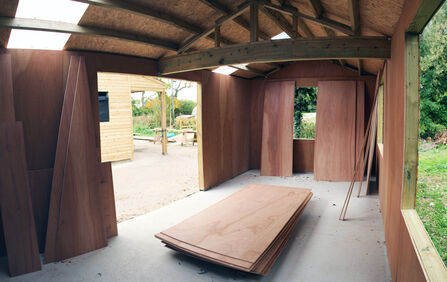
Lakeside stables being built
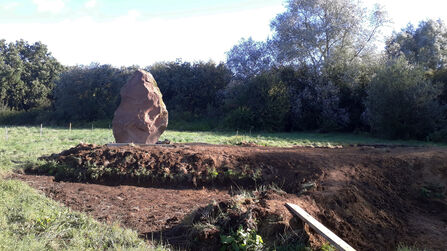
Lakeside Pond Being Dug
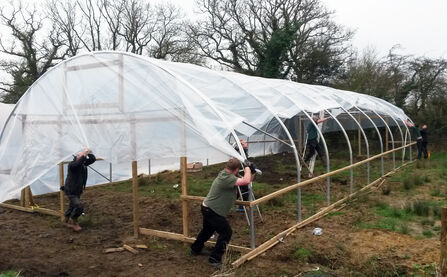
Lakeside Polytunnel Construction
We had big plans to redesign the farmhouse at Lower Moor, build workshops and add an extension. But costs kept rising, and bringing power onto the site was expensive. So we went back to basics and worked with a local stable maker to design and build two buildings: one with a kitchen and toilets, the other a general space with a beautiful view over the lake. Within weeks they were up and connected to water and power.
Our first Manager's early days were wonderfully varied: writing policies, talking to schools and building a polytunnel. Staff from across the Trust spent a day building paths, filling raised beds and finishing that first polytunnel, and a Community Payback team dug a large pond with a newt-shaped island in the middle.
Rather than wait for everything to be perfect, we took on students while the site was still being built, so they could then become part of its creation.
The first students arrived in November 2016. Our manager camped on site during the week that cold winter and only saw his family at weekends. It was tough, but we loved it.
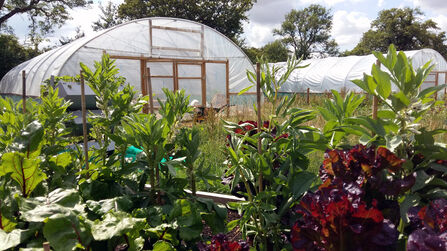
Care Farm Greenhouses and Veg
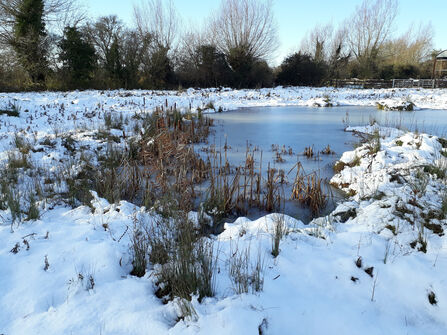
Lakeside in Winter
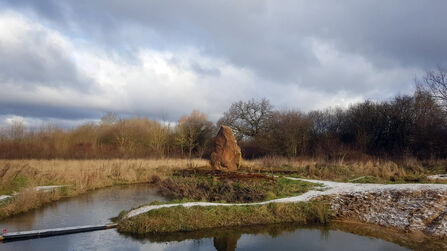
Newt Island Lakeside
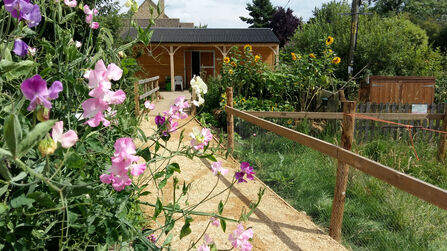
Care Farm Garden
Gradually more students joined and benefitted from the space we had created, the team grew, and it all started to work. I still remember sitting around a campfire with the small team and some students at the end of that first spring term, and really feeling we were making a difference.
Dean: "It was the attention to detail that mattered most"
When the first Manager moved back to be with his family, I stepped in. When I started at Lakeside in June 2017, there were three staff, two students and my dog, Tilly. We learned as we went, grew from our mistakes, and soon realised it was the attention to detail that mattered most. Things like:
- standing at the gate to wave a student off at the end of every session, so they know they matter to us
- learning the power of silence when working with a student
- designing the sites with long sight lines
One idea that has evolved over time is that it's OK to work in nature, not always with it. Simply sitting by the lake, even if it's just to play a card game, has a calming effect on our students.

Dean: "Joy and laughter. And hope."
When I think back to the early days, what comes to mind most is laughter. The laughter of a student throwing snowballs for Tilly, who looked very confused as each one burst into icy dust in her mouth. The laughter of staff watching me with my arm down a blocked drain. And the laughter of parents as their beaming child, who had had a particularly soggy time, squelched over to meet them at the end of the day.
Joy and laughter. And hope. If that is what we have brought to the children we've worked with, then we have succeeded.
Ten years on
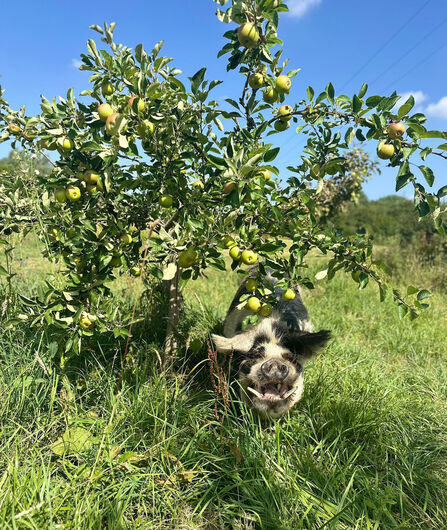
From three staff and two students, the Care Farms now have 43 staff, 90 students and 5 volunteers, plus 4 pigs, 9 chickens, 3 rabbits and, still, Tilly the dog. This term, we opened our third site, Cherry Lodge, joining Lakeside and The Willows. This expansion brings the holistic benefits of our Care Farms to cover even more of Wiltshire, providing vital support to a number of young people who can benefit from the unique opportunities and care they offer.

Chickens at Lakeside
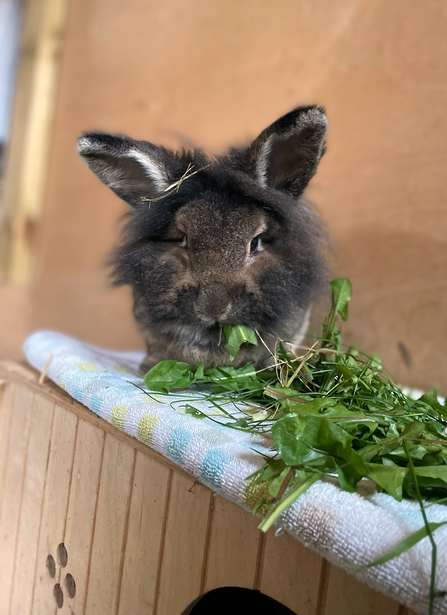
Bunny at Lakeside
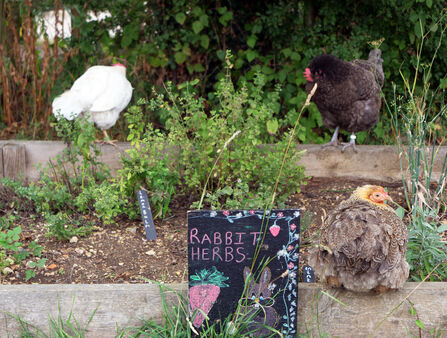
Chickens at Lakeside Open Day
As Dean puts it, the Care Farms have grown into a complex, and ever-evolving type of alternative provision, but they still hold tightly to its ethos: a safe, natural place, physically and emotionally, for some of the most complex and diverse children and young people in Wiltshire, Swindon and Gloucestershire.
Here's to the staff and volunteers who strive to make every session the best part of a child's week.
In my 35+ years of working with children and young people, I think I am most proud of how we developed the Care Farms and our youth education and wellbeing work. Ten years ago this provision didn't exist, and now we are supporting well over 200 students a week. Amazing

Be part of the next ten years:
Support our work connecting young people with nature Connecting People with Nature Fund | Wiltshire Wildlife Trust
Read more about why care farms matter: Blog | Wiltshire Wildlife Trust